The Ultimate Guide To HVAC Rope: Everything You Need To Know
When it comes to heating, ventilation, and air conditioning (HVAC) systems, proper maintenance and installation are crucial for ensuring optimal performance HVAC rope is a commonly used tool in the HVAC industry that plays a vital role in various applications In this article, we will explore everything you need to know about HVAC rope, its uses, benefits, and tips for choosing the right type for your specific needs.
HVAC rope is a versatile and durable tool that is used in a wide range of HVAC applications One of the most common uses of HVAC rope is for sealing ductwork joints The rope is typically made of a flexible and heat-resistant material, such as fiberglass or silicone, that can withstand high temperatures and harsh conditions When installed properly, HVAC rope creates a tight seal that prevents air leakage and improves the overall efficiency of the HVAC system.
In addition to sealing ductwork joints, HVAC rope is also used for wrapping insulation around pipes and ducts to prevent heat loss and improve energy efficiency The rope acts as a barrier against moisture, dust, and other contaminants that can compromise the performance of the HVAC system By using HVAC rope to insulate pipes and ducts, you can reduce energy costs and prolong the lifespan of your HVAC system.
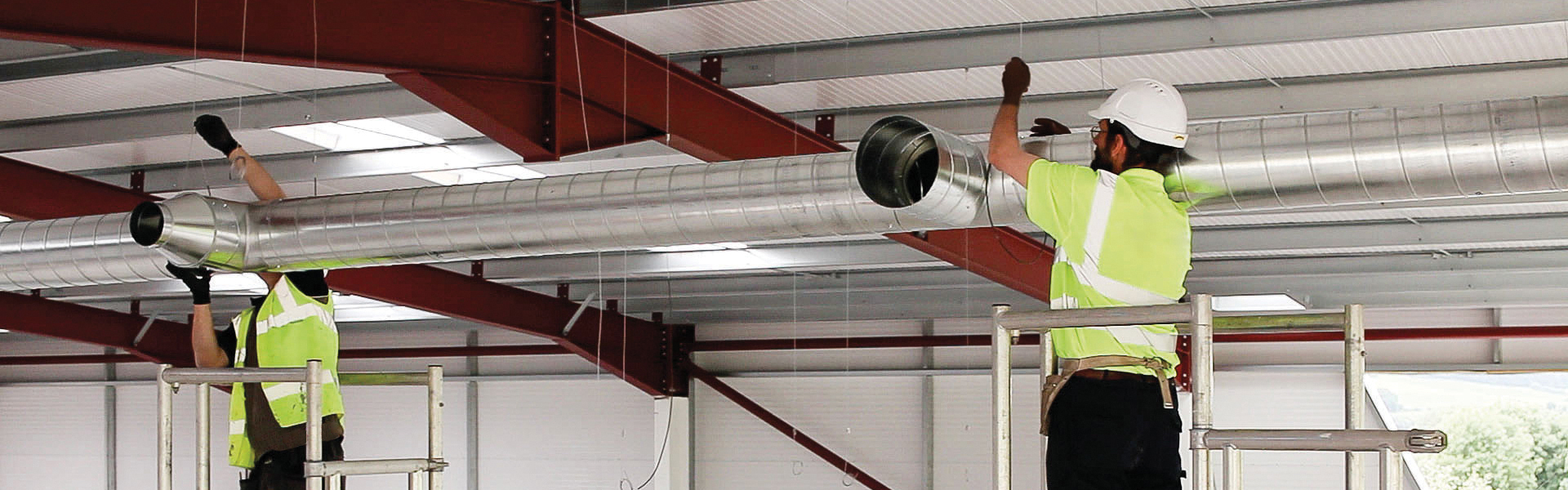
Another important application of HVAC rope is for securing and suspending HVAC components, such as ductwork, pipes, and equipment The rope is strong and durable enough to support the weight of heavy HVAC components, ensuring their stability and preventing accidents or damage By using HVAC rope to secure and suspend HVAC components, you can maintain a safe and efficient working environment.
When it comes to choosing the right HVAC rope for your needs, there are several factors to consider The first factor to consider is the material of the rope Fiberglass rope is the most common type of HVAC rope and is ideal for high-temperature applications hvac rope. Silicone rope is another popular option that offers excellent heat resistance and flexibility It is important to choose a rope that is compatible with the specific requirements of your HVAC system.
In addition to the material, the size and thickness of the HVAC rope are also important considerations The size of the rope should be compatible with the size of the joints, pipes, or ducts that you are sealing or insulating The thickness of the rope will determine its strength and durability, so be sure to choose a rope that is thick enough to withstand the demands of your HVAC system.
When installing HVAC rope, it is important to follow the manufacturer’s instructions carefully to ensure a proper seal and secure fit Clean the surface thoroughly before applying the rope to ensure a tight and durable seal Make sure to press the rope firmly into place to create a secure bond that will withstand the pressures and temperatures of the HVAC system.
In conclusion, HVAC rope is an essential tool for maintaining and improving the performance of HVAC systems Whether you are sealing ductwork joints, insulating pipes, or securing HVAC components, HVAC rope plays a crucial role in ensuring the efficiency and longevity of your HVAC system By choosing the right type of rope and following proper installation techniques, you can maximize the benefits of HVAC rope and enjoy a comfortable and energy-efficient indoor environment
Overall, HVAC rope is a versatile and durable tool that is essential for various HVAC applications From sealing ductwork joints to insulating pipes and securing equipment, HVAC rope plays a crucial role in enhancing the performance and efficiency of HVAC systems By choosing the right type of rope and following proper installation techniques, you can ensure the optimal functioning of your HVAC system and enjoy a comfortable indoor environment.